
Introduction: A small scene, a big number, a clear question
I was running late for a client demo when my shoulder twinged — classic overuse. Around 30% of people who try at-home devices report inconsistent results, and clinics say patient session times vary widely. Here I want to talk about how a red light therapy company can change that experience with clearer outcomes and less fuss (yes, I mean fewer cords and confusing settings). What practical steps actually make treatment faster and more energy-efficient for everyday users?
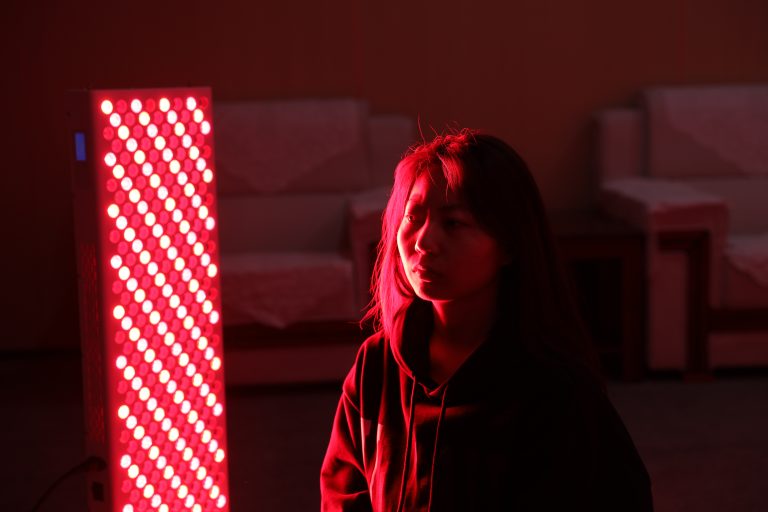
In short: I want this to be useful. I’ll break down the tech simply, point out what’s commonly missed, and give you something to test next time you shop for a device or clinic visit. Ready? Let’s dig in.
Part 2 — Why current solutions still miss the mark
top red light therapy companies often advertise fast results, but the reality for many users is mixed. I’ve seen it myself: clinics use high-powered LED arrays and claim better recovery, yet clients complain about uneven coverage or short session effects. Look, it’s simpler than you think — the issue is not just power; it’s how wavelength, irradiance, and device placement work together. When one of these is off, you lose efficiency and users waste time chasing minor gains.
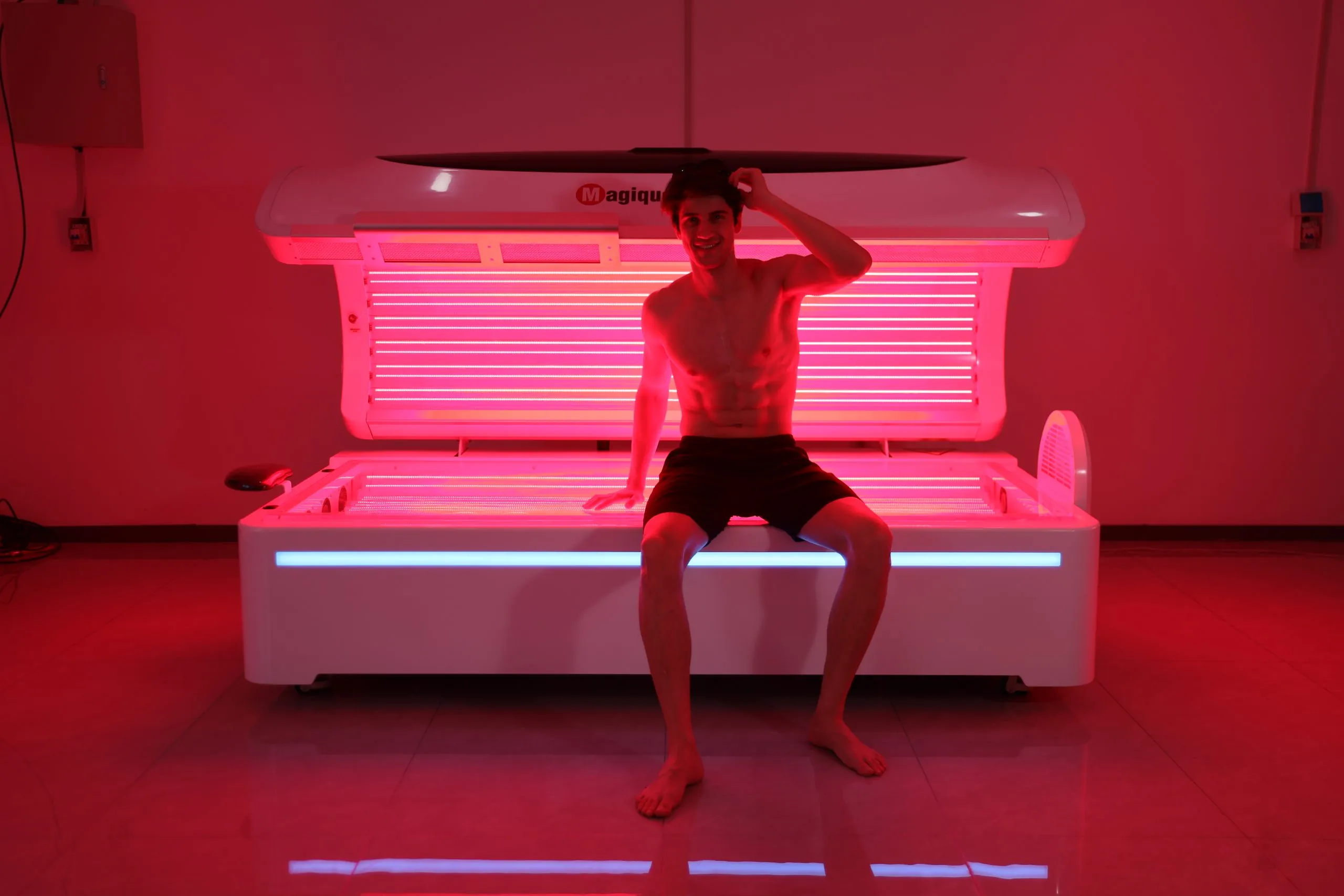
What usually goes wrong?
Two main flaws keep cropping up. First, inconsistent dosing: many devices promise a range of wavelengths but don’t control irradiance consistently. That means the effective dose at the tissue level varies. Second, user friction: confusing controls, heavy fixtures, and unclear session timing make adherence low. I’ve had patients who gave up after a week because settings felt like guesswork. Those are hidden pain points — not glamorous, but fundamental.
Part 3 — Principles that actually improve future outcomes
Moving forward, I focus on clear engineering principles that I think top manufacturers (and clinics) should adopt. New device design should center on predictable photobiomodulation, consistent wavelengths, and user-centered ergonomics. Again, top red light therapy companies that pair LED arrays with smart power converters and straightforward controls tend to deliver the most reliable results. When you control for irradiance and time, outcomes become repeatable — simple math, better results.
What’s next for users and clinics?
I expect modular devices that balance power and portability to win. Imagine compact panels that snap together (so you scale coverage without wasting energy) and firmware that suggests session length based on skin type or treatment area. We’ll see more integration with wearable sensors — yes, minor telemetry that tells you whether the device is positioned correctly. These trends will reduce time spent per effective session and cut wasted energy. — funny how that works, right?
To wrap up, here are three practical metrics I use when I evaluate red light therapy options: 1) Measured irradiance at target distance (mW/cm²), 2) Wavelength specificity and consistency (nm), and 3) User workflow simplicity — how easy it is for a person to get the right dose every time. Use these to compare devices or clinics. I’m not selling anything here; I just want you to get clear, repeatable results without extra hassle.
For those who want a reliable partner in device design and deployment, I recommend checking providers who combine solid optics, clear power management, and user-first interfaces — companies like Magique Power often tick those boxes.


