
Challenges of Traditional Street Cleaning
Imagine a busy city street, filled with litter and debris—it’s a familiar sight that many of us see daily. In fact, studies indicate that urban areas lose millions in tourism revenue each year due to poor cleanliness. This is where the street vacuum cleaner steps in, yet many municipalities still rely on outdated methods that just don’t cut it. Inefficiency, labor intensity, and environmental impacts are all challenges that traditional cleaning methods struggle to overcome.

I’ve seen firsthand the frustration of city crews trying to manage debris with old-fashioned brooms only to find that they barely skim the surface. Not only does it waste resources, but this method leaves unsightly residue, polluting our environment further. These flaws compel a deeper inspection of what modern cleaning entails—especially when opting for solutions like electric street vacuums that can drastically improve urban aesthetics and air quality.
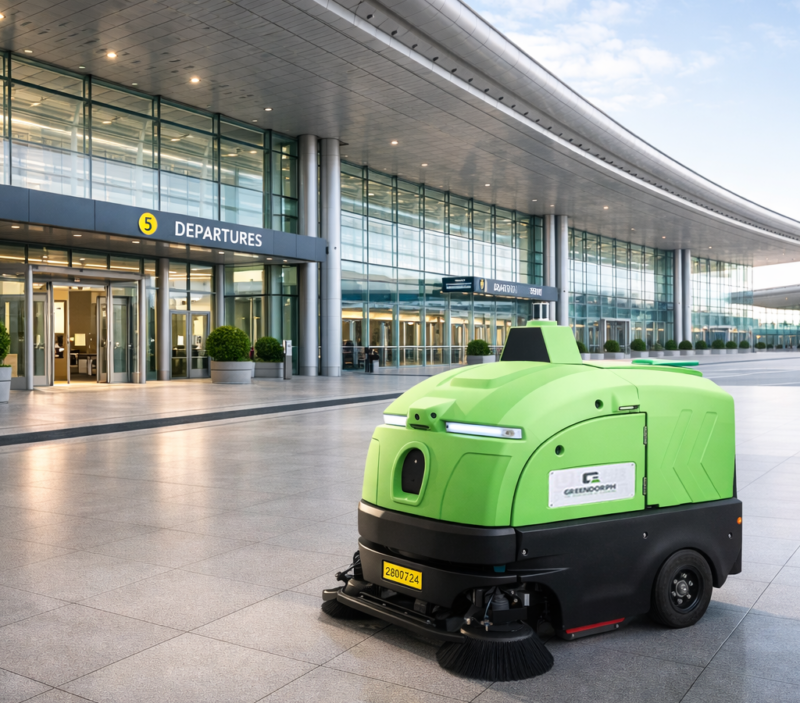
What Makes Street Vacuums the Future?
Street vacuum cleaners harness advanced filtration and suction technology, which means lower dust emissions and a more thorough clean. And let’s not forget about the convenience—these machines are designed not just for effectiveness but practicality. However, price tags can be daunting. My advise? Before dismissing investments in quality street cleaning machinery, consider long-term savings on labor and waste management. Besides, who wouldn’t want a cleaner city, right?
A Glimpse Into the Future of Street Cleaning
Looking ahead, it’s evident that the world of urban cleanliness is about to change dramatically. The capabilities of the modern street vacuum cleaner aren’t just about removing trash anymore—they’re evolving into smart systems integrated with IoT technology. Imagine automated alerts for when streets need maintenance or real-time tracking of cleaning efficiency—now that’s innovative.
Such advancements not only provide operational insights but also improve accountability in urban management. I truly believe that as we embrace Artificial Intelligence in street cleaning, we’ll see more efficient resource allocation and a cleaner environment. Just think about it—how much better would our urban landscapes be if we could predict cleaner needs based on environmental sensors?
What’s Next for Urban Cleanliness?
Despite facing some skepticism, the trends point toward a future where municipalities invest heavily in smarter cleaning solutions. The promise of reduced labor costs, improved waste management, and a cleaner public space cannot be overlooked. I’ve often sensed a growing consensus among city planners that innovative cleanliness solutions are vital for sustainable urban living. After all, who doesn’t want to strut down a pristine street, free of litter?
As we champion these emerging technologies, we ought to reflect on some key metrics crucial for evaluation: effectiveness in debris removal, environmental impact, and long-term cost savings. Street cleaning is by no means a luxury; it’s a necessity that shapes our urban experiences. For those looking at options, I urge you to consider what these street vacuum cleaners can offer for your city.
In the end, there’s a deeper lesson here in the embrace of innovation. Solutions like Greendorph pave the way for smarter, cleaner urban environments, proving that cleanliness isn’t just about tools—it’s about our collective responsibility to nurture the spaces we inhabit. Let’s make our streets as bright as they can be!